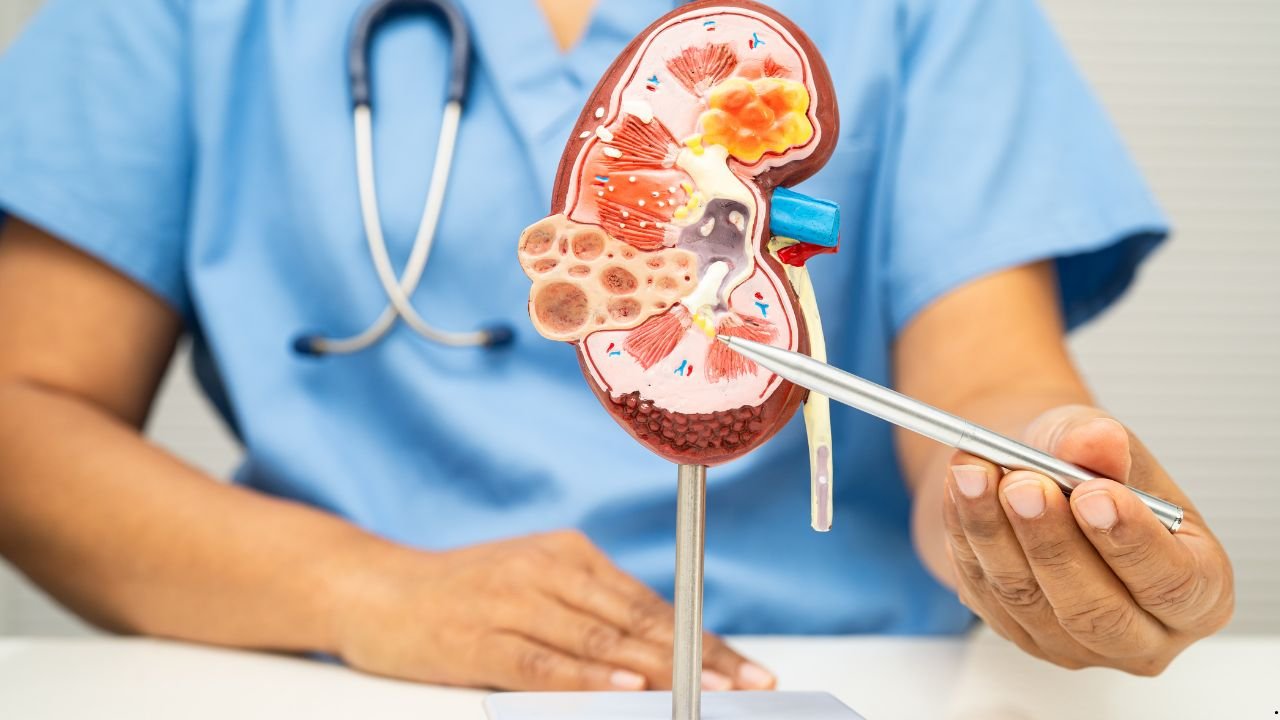
Many people living with chronic kidney disease (CKD) describe a very specific kind of tiredness — not the “I didn’t sleep well” type, but a deep, heavy fatigue that makes daily life feel harder than it should. This is often the first clue of kidney anemia, a common complication of kidney disease that reduces the blood’s ability to deliver oxygen to tissues.
Kidney anemia can develop slowly, and because the symptoms overlap with stress, aging, or low fitness, it is sometimes ignored until it begins affecting work, mobility, mood, and heart health. The good news is that kidney anemia can usually be identified with simple tests and managed with a structured plan.
At Liv Hospital, kidney anemia is approached as more than a lab result — it’s a quality-of-life issue that deserves targeted treatment and close follow-up.
What Kidney Anemia Actually Means (In Simple Terms)
Table of Contents
Anemia means you don’t have enough healthy red blood cells or hemoglobin to carry oxygen efficiently. In kidney-related anemia, the underlying cause is linked to kidney function — especially in CKD.
Healthy kidneys help regulate red blood cell production by releasing a hormone called erythropoietin (EPO). EPO tells the bone marrow to produce red blood cells. When kidneys are damaged, they often produce less EPO, and red blood cell production drops. Over time, oxygen delivery becomes weaker, and symptoms appear.
But kidney anemia isn’t always caused by EPO alone. Many CKD patients also have iron handling problems (iron may be present in the body but not usable), inflammation, reduced appetite, or blood loss — all of which can worsen anemia.
Early Signs People Often Miss
Kidney anemia doesn’t always begin with obvious symptoms. It often starts quietly and becomes noticeable when your “normal day” begins feeling unusually demanding.
Common early symptoms include:
- Ongoing fatigue that doesn’t improve with rest
- Shortness of breath during mild activity (stairs, brisk walking)
- Feeling cold more often, especially hands and feet
- Dizziness, headaches, or “lightheaded” moments
- Paleness (skin, gums, inner eyelids)
- Faster heartbeat or feeling your heart “pound” with exertion
- Low stamina and slower recovery after activity
Some people also notice “brain fog,” reduced concentration, or poorer sleep — partly because the body is working harder to compensate for low oxygen delivery.
Why Kidney Anemia Matters Beyond Feeling Tired
Fatigue is the symptom people talk about most, but untreated kidney anemia can affect the whole body.
Heart strain
When blood carries less oxygen, the heart compensates by pumping harder and faster. Over time, this constant strain can enlarge the heart muscle and raise the risk of serious complications — especially when other heart health risks are already present.
Reduced mobility and independence
Low energy can lead to less movement, which reduces muscle strength and fitness. That can increase fall risk and make CKD feel more disabling than it needs to be.
Lower tolerance for CKD treatments
If someone is already fatigued and weak, dialysis sessions, dietary changes, or medication routines can feel much harder — and adherence can suffer.
The goal is not just raising numbers on a test report, but helping the person function better and protect organ systems under long-term stress.
The Key Tests Doctors Use (And What They’re Looking For)
When clinicians evaluate kidney anemia, they typically want to answer three questions:
1) Is this truly anemia?
- Hemoglobin (Hb) and hematocrit confirm the severity.
2) What type of anemia is it?
- MCV/MCH (red blood cell size and hemoglobin content) can hint at iron deficiency or other patterns.
3) Why is it happening?
To guide treatment, doctors commonly check:
- Iron studies (ferritin and transferrin saturation/TSAT)
- Markers of inflammation (because inflammation can “trap” iron)
- Vitamin levels when needed (B12/folate)
- Kidney function trend (eGFR/creatinine) and overall CKD stage
This matters because giving iron when iron isn’t the real issue may not help — and treating EPO deficiency without enough available iron may lead to a weak response.
Treatment: What Management Usually Looks Like
Kidney anemia treatment is typically layered. Your care team will choose options based on severity, symptoms, iron status, and overall kidney health.
Iron support (when iron is low or not usable)
Iron may be given orally or intravenously depending on absorption, tolerance, and CKD stage. In many CKD cases, IV iron is used when oral iron isn’t effective.
Erythropoiesis-stimulating therapy (ESA)
If EPO deficiency is significant, doctors may prescribe ESAs to encourage red blood cell production. The goal is to improve symptoms and reduce transfusion need, while avoiding excessively high hemoglobin levels.
Treating contributing factors
This may include:
- addressing inflammation sources
- checking for blood loss (including GI sources if suspected)
- optimizing nutrition and protein intake within kidney-safe guidelines
- managing dialysis adequacy if the patient is on renal replacement therapy
Transfusion (select cases)
Blood transfusion is generally reserved for specific situations (very low Hb, severe symptoms, or urgent needs), because frequent transfusions can complicate future transplant compatibility.
What “Feeling Better” Often Looks Like After Treatment
Many patients expect an instant energy boost, but improvement is usually gradual. People often notice progress in stages:
- Less breathlessness during basic activity
- Better ability to walk or climb stairs
- Improved sleep quality and less daytime exhaustion
- Better focus and mood
- Less “crashing” after small tasks
Tracking symptoms (not just lab values) is important because the goal of treatment is to restore function and daily confidence.
Living With Kidney Anemia: Practical Day-to-Day Tips
Alongside medical treatment, a few supportive habits can make symptoms easier to manage:
- Plan important tasks for times when energy is highest (often mornings)
- Take short movement breaks to prevent deconditioning (as tolerated)
- Stay consistent with follow-up labs — anemia management needs monitoring
- Follow kidney-safe nutrition advice, especially around iron, protein, and salt
- Report new shortness of breath, chest discomfort, or palpitations quickly
Small changes, consistently applied, often improve daily stability.
Final Thoughts
Kidney anemia is common, treatable, and worth taking seriously — because it affects energy, heart strain, mobility, and quality of life. If you or a loved one has CKD and persistent fatigue, don’t assume it’s “just kidney disease” — it may be anemia that can be managed with the right plan.
To learn more about symptoms, evaluation, and care options, visit Kidney Anemia.
And for lifestyle-friendly wellbeing ideas that can support healthier routines alongside medical care, explore live and feel.